
St Augustine, St Johns County, FL
 Clear
·
72°F
·
Feels 77°
Clear
·
72°F
·
Feels 77°

Naples Premier Offshore Fishing Charter
Pattern day — fish are predictable. Work structure and watch the feeding windows.

80-150lb mono leader with crimps
Tarpon require heavy, abrasion-resistant leaders; their mouths are tough and bony

Live baitfish on heavy setup with live bait rig
Inlets are high-energy zones — live bait triggers aggressive strikes from tarpon and snook

Classic walking topwater plug
Inlet current and chop make topwater perfect — walk it for snook and tarpon
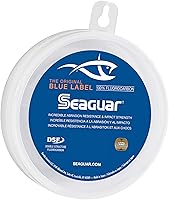
40lb fluorocarbon or harder mono leader
Cuts through inlet current; invisible to fish; handles tarpon and snook teeth
Matanzas Inlet is a pristine tidal inlet located 15 miles south of St. Augustine on Florida's Northeast Coast, connecting the Matanzas River and Intracoastal Waterway to the Atlantic Ocean. With strong tidal flow, clear water, and minimal development, Matanzas Inlet is one of the most productive and unspoiled inshore fisheries in St. Johns County. The inlet's jetties, sandy bars, and grassy shallows hold an impressive diversity of species throughout the year.
Work the grass flat edges and oyster bars flanking the inlet on both sides. Sight-fish tailing reds on low tide.
Fish the sand-grass edges inside the inlet on the first two hours of incoming tide.
The sandy bottom cuts inside the inlet are prime Flounder territory during the fall run. Slow-drift live shrimp.
Jetty rocks and any hard structure holds Sheepshead. Fiddler crabs and fresh shrimp.
Tarpon pass through the inlet during spring migration. Live crabs and mullet on the outgoing tide.
Fish the oyster bars and rock piles inside the inlet on incoming tide with live crab.
Matanzas Inlet is less crowded than St. Augustine Inlet, making it a local favorite for those who know it. Work the jetty rocks and the channel edges with jigs and live bait. The grass flats immediately inside the inlet (north and south of the bridge) are excellent for Redfish and Seatrout on both tidal stages. The outgoing tide creates a productive rip at the inlet mouth — ideal for Spanish Mackerel and Jack Crevalle in spring and fall. Kayak anglers can access the backcountry shallows on both sides for sight-fishing Redfish at low tide.
St. Augustine Inlet
15 miles north — the main inlet with extensive jetty access
Fort Matanzas National Monument
Historic site adjacent to the inlet — access to the Matanzas River flats
Matanzas Inlet produces Redfish, Spotted Seatrout, Flounder, Sheepshead, Black Drum, Tarpon (spring), Spanish Mackerel, Jack Crevalle, and Bluefish. It is one of the most productive inshore spots in St. Johns County.
Yes — Matanzas Inlet is considered one of the top inshore fishing spots in Northeast Florida. Its clear water, strong tidal flow, and diverse habitat (grass flats, jetty rocks, sandy bottom) support a wide variety of species year-round.
Fall is the best all-around season, with Redfish, Trout, and Flounder all active. Winter brings Sheepshead to the jetties. Spring is excellent for Tarpon and Spanish Mackerel. The first and last two hours of an outgoing tide are consistently the most productive windows.
Yes — both sides of the inlet have accessible shoreline and jetty rock access. The A1A bridge provides some fishing access. A kayak dramatically expands access to the grass flats and backcountry areas.

Pomatomus saltatrix
Aggressive pelagic fish known for spectacular blitzes. Strong fighter with excellent runs.
Local Notes: One of the best bluefish runs on the East Coast passes through Matanzas Inlet in fall. Poppers, metal spoons, or cut bait — they blitz in large schools.

Centropomus undecimalis
Prized sport fish found around mangroves and inlets. Sensitive to cold temperatures.
Local Notes: Congregate at Matanzas Inlet on strong outgoing tides — ambush feeders at the edges of the current seam. Live pilchards, threadfins, or pinfish.

Paralichthys albigutta
Flatfish common in coastal bays and flats. Excellent eating and popular sport fish.
Local Notes: Flat on the sandy and muddy bottom throughout Matanzas Inlet. Slow-drift live shrimp or finger mullet near bottom.

Lutjanus griseus
Versatile species found from mangroves to offshore reefs. Excellent eating.
Local Notes: Hold in the deeper channel water at Matanzas Inlet. Light fluorocarbon and live shrimp or pilchards.
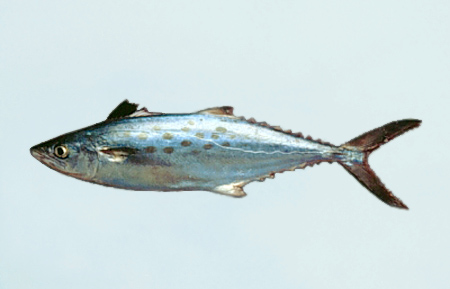
Scomberomorus maculatus
Fast-swimming pelagic fish with gold spots. Common in spring and fall.
Local Notes: Blitz through Matanzas Inlet on incoming tides chasing bait schools. Trolling spoons or casting Gotcha plugs.

Megalops atlanticus
Large powerful fish known for spectacular jumps. Migrates along Florida coast.
Local Notes: World-class tarpon fishing at Matanzas Inlet during the spring migration (April–July). Live blue crabs and large mullet.

Rachycentron canadum
Large pelagic fish often found near buoys and wrecks. Excellent table quality.
Local Notes: Follow cownose rays and sharks through Matanzas Inlet during the spring migration. Live pinfish or eel on a 8/0 hook.

Scomberomorus cavalla
Large mackerel species prized by anglers. Strong fighter found offshore.
Local Notes: Cruise the mouth of Matanzas Inlet in fall and winter. Live blue runners or Boston mackerel.

Sciaenops ocellatus
Popular game fish with distinctive black spot near tail. Found in shallow coastal waters.
Local Notes: Patrol the channel edges and nearby flats at Matanzas Inlet, especially on falling tides.
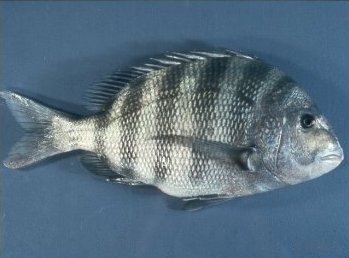
Archosargus probatocephalus
Bottom feeder with strong teeth. Found around structures and pilings.
Local Notes: Work the jetty rocks and any barnacle-covered structure at Matanzas Inlet. Fiddler crabs are the go-to.

Cynoscion nebulosus
Popular inshore species with distinctive spots. Found over grass flats and sandy bottoms.
Local Notes: Fish the back-bay side of Matanzas Inlet over grass flats near the mouth on slower tide stages.