
Bait, flats, and seasons for Florida redfish — with live conditions on nearby FishSonar spots.
Sight-fish tailing reds on low-tide grass flats with gold spoons, weedless soft plastics, and popping corks with live or Gulp shrimp. Free-line cut bait or live pilchards along mangrove points on moving water. Crawl soft plastics through potholes and oyster seams. For bull reds near passes, use heavier tackle with cut mullet or crab on the bottom. Approach upwind and keep a low profile — skinny-water reds are boat-shy.
Look for mudding or tailing fish on low morning tides. Gold spoons over grass and DOA/Gulp shrimp in potholes are high-percentage starts. Fish the first of the incoming tide onto the flat. Polarized glasses are mandatory for sight-fishing. Quiet electric approaches beat roaring onto the flat.
Gold spoons over grass beds, weedless soft plastics in the shallows, and live or Gulp shrimp under a popping cork are the core redfish arsenal in Florida. Cut mullet, crab, and live pilchards produce along mangrove points and for bull reds near passes. Sight-cast to tailing fish on low-tide flats with a quiet approach. In stained water, louder corks and brighter plastics help fish find the bait.
Curated Amazon picks for Red Drum fishing in Florida

Classic weedless gold spoon — the #1 redfish lure in Florida for 70+ years.
Runs over grass flats without snagging; redfish can't resist it.

Soft-plastic shrimp rigged weedless; devastates shallow-water reds.
Matches the bait in most Florida estuaries year-round.

Full metal body, HT-100 carbon drag — built for inshore abuse.
Handles 30lb braid with room to spare for big slot reds.
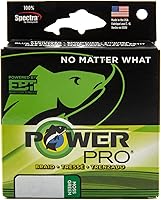
Thin diameter, zero stretch, high sensitivity for grass flat fishing.
Feel every bump in the grass before the red takes off.
Redfish use grass flats, mangrove shorelines, oyster bars, and tidal creek mouths. Low morning tides expose tailing fish on the flat; incoming water pushes them up to feed. Oyster seams and mangrove points on moving tide are high-percentage ambush spots. Fall schools and beach/pass bull reds add a different fishery with heavier tackle.
Tampa Bay / Pinellas Flats
Grass flats, spoil islands, and mangrove edges hold slot reds year-round; fall schools are classic.
Charlotte Harbor / Pine Island Sound
Oyster bars and mangrove shorelines produce consistent redfish; sight-fishing on clear winter days.
Mosquito Lagoon / Indian River
World-famous skinny-water redfish and black drum fishery with sight-casting opportunities.
Jacksonville / Nassau Sounds
Marsh creeks and oyster bars hold reds; fall bull reds near the jetties and beach.
Apalachicola / Forgotten Coast
Vast grass flats and oyster reefs produce numbers of slot reds spring through fall.
Ten Thousand Islands / Everglades
Mangrove tunnels and oyster bars hold resident reds with less pressure than metro bays.
Redfish are available year-round in Florida. Fall (September–November) brings schooling fish and bull-red aggregations near passes and beaches. Spring delivers strong flats action as water warms. Summer mornings and evenings produce on grass flats and mangrove edges; midday heat pushes fish into shade and deeper edges. Winter fishing remains solid on sunny flats and around warm-water discharges after cold fronts.
Gulf Coast slot typically 18"–27" total length, one fish per person per day. Atlantic Coast also generally 18"–27", one per day. Rules can change by region — always verify current size, bag, and zone rules on the FWC recreational saltwater page (myfwc.com) before harvesting.
Always verify current size, bag, and zone rules on the FWC recreational saltwater page before you keep redfish. Gulf and Atlantic rules can differ.
12 spots tracked — open any for tides, weather, pressure & solunar
Live or scented shrimp under a popping cork, gold spoons over grass, and weedless soft plastics in the shallows are the top producers. Cut mullet and crab excel for larger fish near passes.
Redfish can be caught year-round. Fall schooling and bull-red runs near beaches and passes are peak for many regions; spring and early summer shine on grass flats.
Most Florida waters use an 18"–27" slot with a one-fish daily bag, but always confirm Gulf vs Atlantic and any regional rules on myfwc.com before you keep a fish.
Grass flats, mangrove shorelines, oyster bars, tidal creeks, and pass edges statewide. Mosquito Lagoon, Tampa Bay, Charlotte Harbor, and the Forgotten Coast are classic destinations.
Yes — slot-sized redfish are excellent table fare with firm white flesh. Release oversized bulls; they are critical spawners.
Gold and copper spoons, natural shrimp colors, and darker plastics in stained water. Match clarity: natural in clear water, brighter chartreuse or gold when stained.
Get gear picks, tide tips, and local knowledge for Red Drum fishing.
View Cheat SheetRed Drum (Sciaenops ocellatus), universally called redfish in Florida, is the state's iconic shallow-water game fish. Bronze flanks, a powerful tail, and one or more black ocelli near the caudal peduncle make them unmistakable. Redfish thrive on grass flats, mangrove shorelines, oyster bars, and tidal creeks from the Panhandle to the Keys. Slot-sized "rat reds" and "slot reds" feed aggressively in skinny water, while bull reds stage near passes and beaches in fall. Their willingness to eat live bait and artificials, plus excellent table quality within the slot, makes redfish a year-round target for kayak, skiff, and wade anglers across Florida.
Also Known As
Redfish, Red, Spot-tail, Channel Bass, Puppy Drum
