
Chum and light-tackle tactics for Florida yellowtail — with live conditions nearby.
Anchor upcurrent of the reef and start a slow, steady chum slick with frozen blocks or cut sardines — yellowtail fishing is a chumming game. Free-line tiny cut bait, squid strips, or small pilchards on light-wire hooks with 12–20lb fluorocarbon so the bait drifts naturally in the slick. Use spinning gear in the 2500–4000 class and just enough weight (or none) to stay in the column where fish are marking. When tails rise, scale down leader and hook size. Sabiki-caught bait and fresh-cut sardine outperform frozen scraps. Once the school is up, keep chum dripping and baits in the slick — do not bomb heavy sinkers through the fish.
Chum first, fish second — a thin, consistent slick beats dumping a bucket at once. Use the lightest fluorocarbon the current allows; yellowtail are line-shy in clear Keys water. Match hook size to bait size. If fish flash and refuse, drop to 12–15lb fluoro and a smaller hook. Ice promptly; yellowtail are outstanding fried, grilled, or as ceviche.
Yellowtail fishing is a chumming game — set a slow, steady slick of frozen blocks or cut sardines upcurrent of the reef, then free-line tiny cut bait, squid strips, or small pilchards on light-wire hooks. Fresh shrimp also produce when tails are up. Keep fluorocarbon light (12–20lb) so line-shy fish in clear Keys water commit. Match hook size to bait size; heavy sinkers bomb through the slick and kill the bite. Once the school rises, keep chum dripping and baits drifting naturally in the column.
Curated Amazon picks for Yellowtail Snapper fishing in Florida

Mesh chum bag for slow-drip frozen chum over reef structure.
Yellowtail fishing is a chumming game — no chum, no fish.
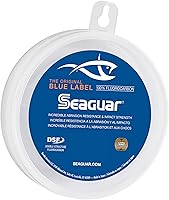
Ultra-light leader for free-lining baits in the chum slick.
Yellowtail are notoriously line-shy in clear Keys water — 15lb or lighter.

Light-wire live bait hook for small pilchards and cut squid in the slick.
Heavy hooks sink the bait too fast — light wire stays in the slick longer.
Frozen ground chum block — the Keys standard for pulling yellowtail up from the reef.
Yellowtail follow the slick; the longer it drifts, the more fish appear.
Yellowtail school over coral reefs, wrecks, and hard bottom in clear water — typically 40–120 feet — with the Florida Keys as the species' spiritual home. Anchor upcurrent, set a thin chum slick, and keep baits in the column above the structure. Patch reefs, outer reef edges, and wrecks from Key Largo through the Marquesas produce year-round; Southeast Florida reefs fire when water is clear. Fish the slick, not the bottom.
Florida Keys Reefs
World-class yellowtail fishing year-round on patch reefs, wrecks, and outer reef edges — the species' spiritual home.
Miami / Biscayne Nearshore Reefs
Clear-water reefs and wrecks hold yellowtail; chum-and-free-line is the local standard.
Palm Beach / Boca Reefs
Nearshore reefs and wrecks produce tails on light tackle when the slick is set correctly.
Dry Tortugas / Remote Keys
Remote reefs offer less-pressured yellowtail for anglers willing to run farther west.
Treasure Coast Atlantic Reefs
Natural ledges and wrecks hold yellowtail mixed with other snapper when water is clear.
Southwest Florida Nearshore Reefs
Nearshore wrecks and hard bottom produce yellowtail on longer Gulf runs when water clears.
Yellowtail fish year-round in the Florida Keys and on deeper Southeast Florida reefs, with peak numbers in summer when water is warm and bait stacks on structure. Spring and fall also produce on a well-set chum slick. Winter action continues in the Keys and on deeper reefs when inshore water cools. Confirm current size and bag rules on myfwc.com before harvesting — state and federal snapper rules can differ.
Yellowtail snapper are commonly managed with a minimum size (historically around 12" total length) and a snapper bag (often around 10 fish/day in state waters historically). Federal waters and snapper aggregate rules can differ — always verify current size, bag, and state vs federal boundaries on the FWC recreational saltwater page (myfwc.com) and NOAA fisheries before harvesting.
Always verify current size, bag, and season rules on the FWC recreational saltwater page before you keep yellowtail snapper. State and federal waters may differ.
12 spots tracked — open any for tides, weather, pressure & solunar
Tiny cut sardine or squid in a chum slick, small live pilchards, and fresh shrimp on light-wire hooks are the top producers. The presentation in the slick matters more than a fancy bait.
Year-round in the Keys, with peak numbers in summer. Southeast Florida reefs also produce spring through fall. Confirm harvest rules on myfwc.com.
Minimum size and bag limits are set by FWC and federal managers and can change. Verify current rules on myfwc.com before keeping fish.
The Florida Keys are the premier fishery. Miami, Palm Beach, and other Southeast Florida reefs also produce on a well-set chum slick.
Yes — chumming is the core tactic. A slow, consistent slick pulls fish off the reef and keeps them feeding in the water column where light-tackle baits get eaten.
Yes — yellowtail are among Florida's finest table fish, with mild, sweet white flesh ideal for frying, grilling, and ceviche. Ice promptly.
Get gear picks, tide tips, and local knowledge for Yellowtail Snapper fishing.
View Cheat SheetYellowtail Snapper (Ocyurus chrysurus) is Florida's signature Keys reef fish — a sleek snapper with a bright yellow lateral stripe and matching tail that schools over coral reefs, wrecks, and hard bottom in clear water. They are famous for rising into a chum slick, where light tackle, tiny baits, and nearly invisible fluorocarbon outperform heavy snapper gear. Typical depths run 40–120 feet from the Keys through Southeast Florida, with summer bringing the most consistent numbers. Mild, sweet white flesh makes yellowtail one of the finest table fish in the state.
Also Known As
Yellowtail, Tails, Flags, Ocyurus
