
Bait, reefs, and seasons for Florida lane snapper — with live conditions nearby.
Drop live shrimp, cut squid, or small pieces of cut bait on light circle hooks tight to the bottom around reefs, wrecks, and rock piles. Use just enough weight to hold in current — lanes feed on and just above the structure. Small jigs (1/4–1/2oz) tipped with shrimp work when fish show on the sounder. Sabiki rigs can put multiple fish in the boat when schools are thick. Keep fluorocarbon light (15–20lb) in clear water; step up slightly around abrasive structure. Once you mark a school, make multiple drops on the same piece of bottom.
Fish tight to reefs and wrecks in 40–80 feet — lanes school, so one good mark can produce a limit. Cut bait and shrimp outperform fancy presentations when fish are hungry. After a few fish, the school may drop; move a short distance along the ledge and re-drop. Ice fish promptly; lanes are outstanding fried or grilled.
Live or fresh shrimp on light circle hooks are the most reliable lane snapper bait on Florida reefs. Cut squid, small cut bait, and tip-a-jig shrimp presentations also produce when fish are schooling on the sounder. Keep weight light enough to reach bottom without killing the bait's natural fall. Sabiki-caught baitfish can double as cut bait once the school turns on. Clear water favors 15–20lb fluorocarbon.
Curated Amazon picks for Lane Snapper fishing in Florida

Multi-hook bait rig for catching small baitfish and fishing near reef structure.
Lane snapper school deep on reefs — sabikis can put multiple fish in the boat fast.
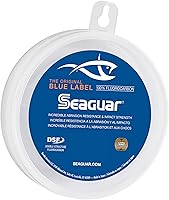
Light, invisible leader for finesse snapper fishing on the reef.
Lane snapper on clear-water reefs see everything — go light.

Natural cut bait for bottom snapper fishing — cheap and effective.
Lane snapper are opportunistic bottom feeders; cut bait gets bit.
Lane snapper school on nearshore natural ledges, artificial reefs, wrecks, and sandy-bottom patches — typically 30–90 feet. Fish tight to the high spots and ledge edges where bait concentrates. Mark productive pieces on your sounder and make multiple drops; once a school fires, stay on it. Clear Keys water and Gulf artificials both produce with light tackle.
Tampa Bay Nearshore Artificials
Public artificial reefs and wrecks outside the bay hold schooling lanes in reachable depths.
Southwest Florida Reefs & Rock Piles
Nearshore hard bottom and patch reefs from Charlotte through Collier produce consistent lane snapper.
Panhandle Nearshore Reefs
Destin and Emerald Coast artificials hold lanes mixed with mangrove snapper and vermilion.
Treasure Coast / Atlantic Ledges
Natural ledges and nearshore wrecks off the Atlantic coast produce lanes on light tackle.
Florida Keys Patch Reefs
Shallow patch reefs and channel edges hold lanes year-round in clear Keys water.
Big Bend / Steinhatchee Structure
Rocky patches and artificial reefs offer less-pressured nearshore lane fishing.
Lane snapper fish year-round on Florida nearshore reefs, with peak numbers spring through fall when water warms and bait stacks on structure. Summer morning and late-afternoon drops on artificial reefs are high-percentage. Winter action continues on deeper ledges when inshore water cools. Confirm current size and bag rules on myfwc.com before harvesting.
Lane snapper are commonly managed with a minimum size (historically around 8–10" total length) and a snapper aggregate or species bag (often around 10 fish/day in state waters historically). Federal waters and snapper aggregate rules can differ — always verify current size, bag, and state vs federal boundaries on the FWC recreational saltwater page (myfwc.com) and NOAA fisheries before harvesting.
Always verify current size, bag, and season rules on the FWC recreational saltwater page before you keep lane snapper. State and federal waters may differ.
12 spots tracked — open any for tides, weather, pressure & solunar
Live or fresh shrimp, cut squid, and small cut bait on light circle hooks dropped tight to reef structure are the top producers. Small jigs tipped with shrimp also work well.
Year-round on nearshore reefs, with peak numbers spring through fall. Confirm harvest size and bag on myfwc.com before keeping fish.
Minimum size and bag limits are set by FWC and federal managers and can change. Verify current rules on myfwc.com for your waters.
Nearshore natural ledges, artificial reefs, wrecks, and sandy-bottom patches — typically 30–90 feet — along both Gulf and Atlantic coasts.
Yes — lane snapper are excellent table fare with mild, firm white flesh. They are a favorite for frying and grilling.
Mark reefs and wrecks on your sounder, look for tight schools near the bottom, and make multiple drops on the same structure once fish bite.
Lane Snapper (Lutjanus synagris) is a colorful nearshore reef staple — pink flanks, yellow horizontal stripes, and a signature dark blotch below the soft dorsal. Smaller than mangrove or red snapper but often more numerous, lanes school tightly over natural ledges, artificial reefs, and sandy-bottom patches in 30–90 feet. They are accessible to small-boat anglers, respond well to shrimp and cut bait on light tackle, and deliver excellent white table fare. Florida Gulf and Atlantic nearshore reefs from the Panhandle to the Keys hold consistent lane snapper action spring through fall.
Also Known As
Lane, Spot Snapper, Candy Snapper, Mexican Snapper
