
Bait, structure, and seasons for Florida gag grouper — with live conditions on nearby spots.
Drop live pinfish, small mullet, or large shrimp on circle hooks tight to the bottom around rocks, wrecks, and ledges. Use enough weight to hold in current — gags eat on the structure, not in the water column. Vertical jigging with heavy jigs (4–8oz) tipped with bait works when fish are aggressive. Once hooked, lift hard immediately and gain line; hesitation lets gags wrap into the rocks. Conventional or stout spinning gear with 50–80lb braid and heavy fluorocarbon or wire near abrasive structure is standard.
Fish tight to rocks, wrecks, and ledge edges — not the sand between them. Early morning and the start of moving tide are high-percentage. Chum lightly with cut bait to wake fish without pulling them too far off structure. Mark bites on your sounder and re-drop the same piece of bottom. Bring a gaff or net ready; gags thrash at the surface.
Live pinfish and small mullet on circle hooks are the top gag grouper baits on Florida reefs and wrecks. Large shrimp, cut bait, and squid also produce when live bait is scarce. Heavy vertical jigs (4–8oz) tipped with bait work when fish are aggressive on the sounder. Get the bait to the bottom fast and keep it tight to structure — gags eat on the rocks, not mid-column.
Curated Amazon picks for Gag Grouper fishing in Florida
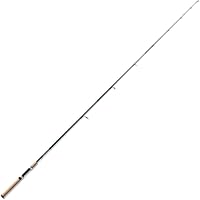
Stout, sensitive jigging rod for pulling gags off structure.
Grouper run to the rocks the moment they feel the hook — you need backbone to stop them.

Tough conventional reel for bottom fishing structure from a boat.
Level wind keeps your line even on high-speed retrieves away from the rocks.

Heavy vertical jig for working bottom structure and ledges.
Gag grouper ambush from ledges — drop this to the bottom and pop it up.

Single-strand stainless wire leader to avoid cut-offs near rocky structure.
Grouper aren't shy — use wire near hard structure to avoid abrasion failures.
Gag grouper hold on hard bottom — natural ledges, rock piles, wrecks, and artificial reefs. Fish the high spots and ledge edges where bait concentrates. Nearshore structure in 30–80 feet is accessible for smaller boats; deeper ledges hold larger fish. Mark productive pieces on your sounder and re-drop them.
Panhandle Nearshore Reefs
Destin and Emerald Coast artificial reefs and natural ledges hold gags in reachable depths for day trips.
Big Bend / Steinhatchee Ledges
Rocky ledges and patch reefs produce gag grouper with less boat pressure than metro coasts.
Tampa Bay Nearshore Artificials
Public artificial reefs and wrecks outside the bay hold gags spring through fall.
Southwest Florida Reefs & Wrecks
Nearshore rock piles and wrecks from Charlotte through Collier produce consistent gag action.
Atlantic / Treasure Coast Structure
Natural ledges and wrecks off the Atlantic coast hold gags mixed with other reef species.
Offshore Deeper Ledges
Deeper natural ledges in 80–150+ feet hold larger gags when nearshore water warms or pressure builds.
Gag grouper fishing is strongest spring through fall on Florida nearshore reefs and wrecks, with a strong summer afternoon bite on structure. Winter action continues on deeper ledges when water stays warm enough. Recreational harvest seasons and size limits are tightly managed by FWC and federal councils and change by region and year — always confirm open/closed status, size, and bag on myfwc.com before keeping fish.
Gag grouper are commonly managed with a minimum size (often around 24" total length historically) and grouper aggregate bag limits, with seasonal openings that differ between Gulf state, Gulf federal, and Atlantic waters. Rules change — always verify current size, bag, season, and state vs federal boundaries on the FWC recreational saltwater page (myfwc.com) and NOAA fisheries before harvesting.
Always verify current size, bag, and season rules on the FWC recreational saltwater page before you keep gag grouper. State and federal waters may differ.
4 spots tracked — open any for tides, weather, pressure & solunar
Live pinfish and small mullet on circle hooks dropped tight to structure are the top producers. Large shrimp, cut bait, and heavy vertical jigs also work when fish are feeding.
Bite quality peaks spring through fall on nearshore reefs, but recreational harvest seasons are regulated and change. Confirm open/closed dates on myfwc.com before keeping fish.
Minimum size and bag limits are set by FWC and federal managers and can differ by zone. Verify current size and aggregate grouper rules on myfwc.com for your waters.
Hard bottom — natural ledges, rock piles, wrecks, and artificial reefs from nearshore depths out to deeper offshore structure, especially along the Gulf and Atlantic coasts.
Yes — gag grouper are among Florida's premier table fish with firm, mild white flesh. Keep only legal fish and handle carefully in warm weather.
Stout conventional or heavy spinning gear, 50–80lb braid, heavy fluorocarbon or wire near rocks, and circle hooks sized to your bait. You need backbone to stop fish from reaching structure.
Gag Grouper (Mycteroperca microlepis) is one of Florida's most sought-after nearshore and offshore reef fish — a powerful bottom fighter with excellent table quality. Olive-gray to brown with dark worm-like markings, gags stage around ledges, wrecks, rock piles, and artificial reefs from the Panhandle to Southwest Florida and the Atlantic. Nearshore structure in 30–80 feet produces accessible fish for small boats; deeper ledges hold larger specimens. Gags ambush bait tight to hard bottom, so presentations must reach the structure fast and anglers must win the first few seconds of the fight before fish bury in the rocks.
Also Known As
Gag, Gray Grouper, Grouper
