
Flats and wreck tactics for Florida permit — with live conditions on nearby FishSonar spots.
On the flats, sight-cast live crabs (or quality crab imitations) well ahead of tailing or cruising fish and let the bait settle naturally — never lead so close that the cast spooks them. Use light fluorocarbon (15–20lb), long leaders, and quiet poling. On wrecks, free-line live crabs or shrimp and work soft-plastic crabs or jigs near the structure. Fly anglers use crab patterns on 8–9wt outfits with accurate, soft presentations. Permit inspect bait carefully; unnatural sinks or heavy leaders kill the eat.
Polarized glasses and a quiet approach are mandatory on the flats. Cast well ahead and beyond the fish, then strip or let the crab settle into the path. Live blue crabs and small stone/fiddler crabs outperform almost everything. On wrecks, fish moving tide and watch for surface-pushing schools. If a fish refuses, rest the spot and try a smaller crab or lighter leader.
Live crabs are the #1 permit bait on Florida flats and wrecks — blue crabs, small stone crabs, and fiddlers all produce. Free-line or lightly weight the crab so it sinks naturally into the fish's path. Soft-plastic crab imitations (DOA-style) are the best artificial backup. Shrimp work on wrecks and when crabs are unavailable. Use light fluorocarbon so wary flats fish commit.
Curated Amazon picks for Permit fishing in Florida

Soft-plastic crab imitation — the best artificial for flats permit.
Permit eat crab almost exclusively on the flats; this is the go-to when live crabs aren't available.
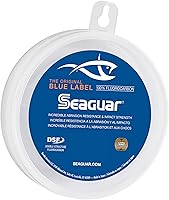
Light, invisible leader for technical flats permit fishing.
Permit on skinny water are among the most wary fish in Florida — heavy leader = no eat.
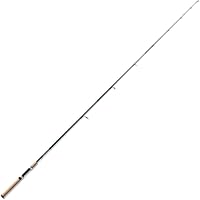
Value-priced 9wt fly rod ideal for permit and redfish on the flats.
A 9wt has the muscle to turn over a crab fly into the wind.

Collapsible crab trap to catch and hold live bait crabs before your trip.
Live crabs are the #1 permit bait — catching your own saves serious money.
Flats permit are a sight-fishing game: quiet poling, long leaders, and crabs presented ahead of tailing fish. Wreck and nearshore permit school around structure and often eat crabs or jigs more aggressively — a better option when wind or stained water kills flats visibility. Both fisheries are classic Florida; match the day's conditions.
Florida Keys Flats
World-famous sight-fishing for tailing permit on crab flats from Key Largo through the Marquesas.
Biscayne Bay / Miami Flats
Urban flats and channel edges hold permit mixed with bonefish and tarpon in clear water.
Palm Beach / Blue Heron Bridge
Nearshore structure and bridge areas produce permit; flats opportunities on calm days.
Nearshore Wrecks (SE Florida)
Wrecks and reefs hold schooling permit that eat crabs and jigs when flats fish are sparse.
Southwest Florida Nearshore
Nearshore wrecks and hard bottom off Naples and Marco produce permit alongside other wreck species.
Dry Tortugas / Remote Keys
Remote flats and wrecks offer less-pressured permit for anglers willing to run farther.
Permit fish year-round in South Florida and the Keys, with peak flats action often April–June when fish tail on crab flats in clear water. Spring through fall covers the broader wreck and nearshore fishery. Winter flats fishing remains possible on warm, calm days. Always confirm current size and bag rules on myfwc.com before harvesting.
Permit are commonly managed with a minimum fork length (historically around 22–24" depending on rule set) and limited daily bags, with special rules in some zones. Regulations change — always verify current size, bag, and any regional restrictions on the FWC recreational saltwater page (myfwc.com) before harvesting. Many anglers practice catch-and-release on flats fish.
Always verify current size, bag, and regional rules on the FWC recreational saltwater page before you keep permit.
12 spots tracked — open any for tides, weather, pressure & solunar
Live crabs are the #1 bait on flats and wrecks. Soft-plastic crab imitations and shrimp are the best backups when live crabs are unavailable.
Year-round in South Florida and the Keys, with peak flats sight-fishing often in spring (April–June). Wreck fishing is strong spring through fall.
Minimum fork length and bag limits are set by FWC and can change. Confirm current rules on myfwc.com before keeping permit.
The Florida Keys flats are world-famous. Biscayne Bay, Southeast Florida wrecks, and Southwest Florida nearshore structure are also productive.
Flats offer classic sight-fishing with crabs; wrecks produce more schooling fish and are more forgiving when water is stained or windy. Both are legitimate Florida fisheries.
Use light fluorocarbon — often 15–20lb on the flats. Heavier leaders get more refusals in clear water; wreck fishing can step up slightly for abrasion.
Get gear picks, tide tips, and local knowledge for Permit fishing.
View Cheat SheetPermit (Trachinotus falcatus) is one of Florida's most technical and prestigious game fish — a deep-bodied jack that tests presentation, patience, and nerves on clear flats and around nearshore wrecks. Silver flanks, a black scythe dorsal, and a forked tail make them unmistakable when they tail on crab beds or cruise wreck edges. South Florida and the Keys are the epicenter of flats permit fishing; wrecks and nearshore structure from the Keys through Southeast Florida and parts of the Gulf hold larger schools. Permit feed primarily on crabs and shrimp, refuse most second chances, and reward quiet approaches with long casts and natural presentations.
Also Known As
Permit, Great Pompano, Round Pompano
