
Port St Joe, Franklin County, FL
 Sunny
·
83°F
·
Feels 85°
Sunny
·
83°F
·
Feels 85°
Naples Premier Offshore Fishing Charter
Pattern day — fish are predictable. Work structure and watch the feeding windows.

80-150lb mono leader with crimps
Tarpon require heavy, abrasion-resistant leaders; their mouths are tough and bony

Live baitfish on heavy setup with live bait rig
Inlets are high-energy zones — live bait triggers aggressive strikes from tarpon and snook

Classic walking topwater plug
Inlet current and chop make topwater perfect — walk it for snook and tarpon
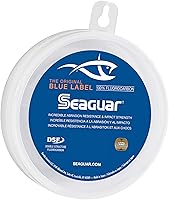
40lb fluorocarbon or harder mono leader
Cuts through inlet current; invisible to fish; handles tarpon and snook teeth
Local Fishing Resource
Florida's most productive oyster bay, world-class flounder, and pristine backcountry
Open the Franklin & Wakulla Cheat Sheet
Paralichthys albigutta
Flatfish common in coastal bays and flats. Excellent eating and popular sport fish.
Local Notes: Bury in the sandy and muddy bottom throughout Indian Pass Franklin. Slow-drifted live shrimp or finger mullet near bottom, or a 1/4-oz white jig.

Lutjanus griseus
Versatile species found from mangroves to offshore reefs. Excellent eating.
Local Notes: Hold in the deeper channel water at Indian Pass Franklin. Light fluorocarbon and live shrimp or pilchards.
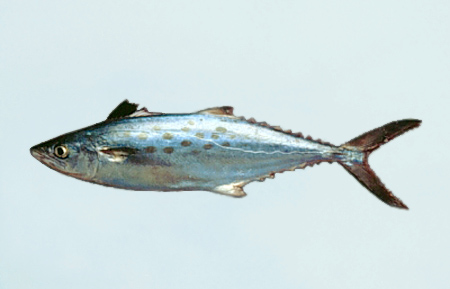
Scomberomorus maculatus
Fast-swimming pelagic fish with gold spots. Common in spring and fall.
Local Notes: Blitz through Indian Pass Franklin on incoming tides chasing bait schools. Trolling spoons or casting Gotcha plugs.

Megalops atlanticus
Large powerful fish known for spectacular jumps. Migrates along Florida coast.
Local Notes: World-class tarpon fishing at Indian Pass Franklin during the spring migration (April–July). Live blue crabs and large mullet.

Rachycentron canadum
Large pelagic fish often found near buoys and wrecks. Excellent table quality.
Local Notes: Follow cownose rays and sharks through Indian Pass Franklin during the spring migration. Live pinfish or eel on a 8/0 hook.

Scomberomorus cavalla
Large mackerel species prized by anglers. Strong fighter found offshore.
Local Notes: Cruise the mouth of Indian Pass Franklin in fall and winter. Live blue runners or Boston mackerel.

Sciaenops ocellatus
Popular game fish with distinctive black spot near tail. Found in shallow coastal waters.
Local Notes: Patrol the channel edges and nearby flats at Indian Pass Franklin, especially on falling tides.
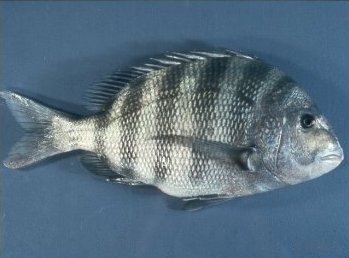
Archosargus probatocephalus
Bottom feeder with strong teeth. Found around structures and pilings.
Local Notes: Work the jetty rocks and any barnacle-covered structure at Indian Pass Franklin. Fiddler crabs are the go-to.

Cynoscion nebulosus
Popular inshore species with distinctive spots. Found over grass flats and sandy bottoms.
Local Notes: Fish the back-bay side of Indian Pass Franklin over grass flats near the mouth on slower tide stages.