
Pier and pass tactics for Spanish mackerel — bait, seasons, and live tides nearby.
Cast silver spoons and Gotcha plugs into breaking schools and retrieve fast — Spanish eat on the run. Troll Clark spoons at 5–7 knots along bait lines, pier shadows, and pass edges. Free-line small live pilchards or threadfin on a short wire trace when fish are under birds or along a pass. Use light spinning gear (2500–4000), 15–20lb braid, and 6–12 inches of single-strand wire or a light wire leader; teeth cut mono instantly. Keep the lure moving — a paused spoon often gets ignored.
When birds dive, run toward them and cast ahead of the school, not into the middle of the frenzy. A short wire trace is non-negotiable. After a cold front, look for clearer water and bait along the beach. Piers produce on moving tide when bait stacks on the shadow line. Ice fish immediately — Spanish meat spoils fast in warm weather.
Silver spoons and Gotcha plugs retrieved fast are the core Spanish mackerel arsenal from piers, beaches, and small boats. Clark spoons trolled at 5–7 knots along bait lines and pass edges are the classic boat presentation. Small live pilchards or threadfin on a short wire trace excel when fish are under birds. Keep lures moving — a paused spoon often gets ignored. A 6–12 inch single-strand wire leader is non-negotiable; teeth cut fluoro in a millisecond.
Curated Amazon picks for Spanish Mackerel fishing in Florida
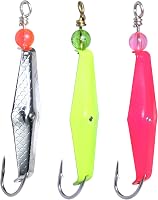
The classic trolling spoon for Spanish mackerel behind a planer or free-trolled.
Nothing outfishes a Clark spoon trolled at 6–7 knots over a Spanish mac school.

Spanish mackerel have razor teeth — always use a short wire trace.
They will cut through mono or fluoro leader in a millisecond; wire is non-negotiable.
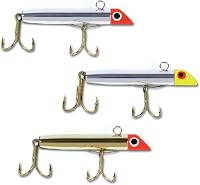
Dart-style metal lure perfect for casting into breaking mackerel schools.
When Spaniards are crashing bait on the surface, a Gotcha cast into the frenzy gets bit immediately.
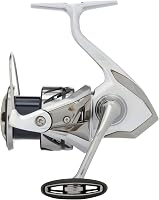
Fast-retrieve spinning reel for keeping up with fast-moving mackerel schools.
Spanish macs move fast — you need a high-speed reel to keep pace.
Spanish mackerel blitz bait along piers, passes, beaches, and nearshore grass edges — often within casting range of shore anglers. Fish the shadow line and current edge of a pier, and the first of the outgoing or incoming at a pass when bait flushes. Birds diving over a school are the green light: cast spoons or Gotchas ahead of the frenzy. Small boats troll Clark spoons along the same bait lines.
Sarasota / Siesta Piers & Passes
Classic pier and pass Spanish fishery; spoons and live bait produce on moving tide and bait blitzes.
Tampa Bay / Pinellas Nearshore
Beaches, piers, and bay mouths hold spring and fall schools; birds often mark the bite.
Panhandle / Destin Beaches & Piers
Emerald Coast piers and nearshore runs produce strong Spanish migrations spring and fall.
Jacksonville / Northeast Surf & Jetties
Atlantic beaches, jetties, and nearshore bait schools hold Spaniards on the spring and fall push.
Treasure Coast / Stuart Inlets
Inlets, piers, and nearshore bait lines produce Spanish mixed with bluefish and kings.
Florida Keys Nearshore Edges
Channel edges and nearshore reefs hold Spanish when bait stacks in warm Keys water.
Spring (roughly March–May) and fall (September–November) migrations are prime as Spanish follow bait schools along both coasts. Summer fishing continues on nearshore bait, especially early and late. Winter action slows outside South Florida and warm-water discharges. Follow birds, bait, and water temperature — Spanish travel with the forage. Confirm current size and bag rules on myfwc.com before harvesting.
Spanish mackerel are commonly managed with a minimum fork length (historically around 12") and a generous daily bag (often around 15 fish in state waters historically). Federal waters and Gulf vs Atlantic rules can differ and change — always verify current size, bag, and state vs federal boundaries on the FWC recreational saltwater page (myfwc.com) and NOAA fisheries before harvesting.
Always verify current size, bag, and regional rules on the FWC recreational saltwater page before you keep Spanish mackerel. State and federal waters may differ.
12 spots tracked — open any for tides, weather, pressure & solunar
Silver spoons and Gotcha plugs retrieved fast are the top artificials. Small live pilchards and threadfin herring on a short wire leader excel when fish are under birds or along a pass.
Spring and fall migrations are peak. Summer still produces on nearshore bait. Confirm harvest rules on myfwc.com.
Minimum fork length and bag limits are set by FWC and federal managers and can change. Verify current rules on myfwc.com before keeping fish.
Piers, passes, beaches, and nearshore bait lines on both coasts — especially Sarasota, Tampa Bay, the Panhandle, and Atlantic inlets during migrations.
Yes — their teeth cut mono and fluorocarbon instantly. Use a short single-strand wire trace or light wire leader.
Yes — they are excellent table fare when bled and iced immediately. Grill, smoke, or fry fresh fish; do not let them sit warm.
Get gear picks, tide tips, and local knowledge for Spanish Mackerel fishing.
View Cheat SheetSpanish Mackerel (Scomberomorus maculatus) is Florida's most accessible mackerel — a fast, gold-spotted speedster that blitzes bait along beaches, piers, passes, and nearshore grass edges. Smaller than kings but often more numerous, Spaniards school tightly during spring and fall migrations and will eat silver spoons, Gotcha plugs, and small live bait on light tackle. They are within casting range of many Gulf and Atlantic piers, making them a favorite for shore and small-boat anglers. Razor teeth demand a short wire trace. Firm, flavorful flesh makes Spanish one of Florida's best inshore table fish when iced promptly.
Also Known As
Spanish, Spaniards, Spots, Sierra
