
Trolling and kite tactics for Florida sailfish — seasons, bait, and conditions tools on FishSonar.
Kite-fish live baits (threadfin herring, goggle-eyes, blue runners) with circle hooks so baits skip naturally on the surface — Florida's signature sailfish presentation on calm winter days. Slow-troll ballyhoo, strip baits, and dredge teasers along the Gulf Stream edge, color changes, and bait stacks at 4–7 knots. When a sail lights up, clear lines and pitch a live bait or strip into its path. Use conventional or stout spinning outfits with 20–30lb class line, fluorocarbon leaders, and circle hooks for release-friendly hookups. Keep the boat in gear and the angler ready — sails jump, shake, and throw hooks if drag and angles get sloppy. Focus on temperature breaks, bait showers, and frigate birds.
Calm mornings after a winter front are prime for kite fishing off Palm Beach and Fort Lauderdale. Match bait size to what is in the water. Use circle hooks and keep fish in the water for photos when releasing. Bleed and ice only if legal harvest applies and you intend to keep — most Florida sailfish trips are release fisheries. Check FishSonar offshore conditions and wind before the run.
Live threadfin herring, goggle-eyes, and blue runners on a fishing kite with circle hooks are the Southeast Florida sailfish standard — baits skip on the surface where sails crash them. Slow-troll ballyhoo, strip baits, and dredge teasers at 4–7 knots along the Gulf Stream edge and bait stacks. Pitch a live bait when a fish lights up behind the spread. Fluorocarbon leaders and circle hooks keep presentations clean and release-friendly.
Curated Amazon picks for Sailfish fishing in Florida

Circle hooks for kite and trolled natural baits — release-friendly sailfish standard.
Circle hooks are widely preferred for billfish natural-bait fishing and improve release survival.
Natural ballyhoo and rigging supplies for slow-troll sailfish spreads.
Slow-trolled ballyhoo remains a core Florida sailfish presentation along the Stream edge.
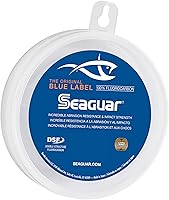
Clear fluoro leaders for kite and pitch baits in clear Gulf Stream water.
Clear Stream water demands abrasion-resistant fluoro that stays invisible to sailfish.
Offshore fishing kite and release clips for skipping live baits on the surface.
Kite fishing is the signature Southeast Florida sailfish tactic on calm winter days.
Florida sailfish fishing centers on the Gulf Stream edge, temperature breaks, and bait lines — especially off Palm Beach, Fort Lauderdale, and Miami where winter runs put world-class kite fishing a short ride from the inlet. Cover color changes and bait showers; calm post-front mornings are classic.
Palm Beach / Gulf Stream Edge
World-class winter sailfish water — the Stream comes close; kite and slow-troll spreads dominate.
Fort Lauderdale / Broward Offshore
Classic Southeast Florida sailfish corridor with short runs to bait and temperature breaks.
Miami / Biscayne Blue Water
Kite fishing and trolling along the Stream edge produce sails mixed with other pelagics.
Stuart / Treasure Coast Offshore
Stream pushes and bait lines hold sailfish on cooler-water runs north of Palm Beach.
Florida Keys / Islamorada Offshore
Blue-water edges and temperature breaks produce sails on kite and trolling spreads.
Southwest Florida Blue Water
Longer Gulf runs to blue water and temp breaks score sailfish when conditions align.
Peak Florida sailfish fishing typically runs fall through spring along Southeast Florida and the Keys, with many classic days from roughly November through April when cooler water and bait push along the Stream edge. Winter cold fronts often trigger outstanding kite bites off Palm Beach and Fort Lauderdale. Summer still produces on deeper blue-water edges and overnight runs, but winter–spring is the prime window. Always confirm current size, bag, and release rules on myfwc.com and NOAA HMS before fishing billfish.
Atlantic sailfish are highly regulated billfish managed under FWC and federal HMS rules. Recreational fishing commonly emphasizes catch-and-release; harvest (if allowed) may require HMS permits, specific gear (circle hooks with natural bait in many situations), and strict size/bag limits that change. State and federal waters can differ. Always verify current release-only vs harvest rules, permits, size, bag, and reporting requirements on the FWC recreational saltwater page (myfwc.com) and NOAA HMS before targeting sailfish.
Always verify current release/harvest rules, permits, and gear requirements on the FWC recreational saltwater page and NOAA HMS before you target sailfish. State and federal waters may differ.
Live threadfin, goggle-eyes, and blue runners on kites with circle hooks are the Southeast Florida standard. Slow-trolled ballyhoo and strip baits also produce along the Stream edge.
Fall through spring is peak along Southeast Florida and the Keys, with many classic days November–April. Confirm current rules on myfwc.com and NOAA HMS.
Billfish often fall under federal HMS management. Verify current HMS permit, gear, and reporting requirements on NOAA Fisheries and myfwc.com before you fish.
Palm Beach, Fort Lauderdale, and Miami along the Gulf Stream edge are world-famous. The Keys and Treasure Coast also produce when bait and temperature breaks set up.
A fishing kite holds live baits skipping on the surface away from the boat — a natural presentation that triggers sailfish to crash baits in clear Stream water.
Most Florida sailfish fishing is catch-and-release. Harvest rules are strict and change — always verify current FWC and NOAA HMS regulations before keeping any billfish.
Get gear picks, tide tips, and local knowledge for Sailfish fishing.
View Cheat SheetSailfish (Istiophorus platypterus), the Atlantic sailfish, is Florida's signature billfish — a lightning-fast pelagic famous for its towering dorsal sail, spectacular leaps, and winter runs along the Southeast Florida coast. Palm Beach, Fort Lauderdale, and Miami sit on one of the world's premier sailfish corridors where the Gulf Stream stacks bait close to shore. Anglers kite-fish live baits, slow-troll ballyhoo and strip baits, and pitch to fish that light up behind the spread. Most Florida sailfish fishing is catch-and-release; the fishery is tightly managed under state and federal HMS rules. Check FishSonar offshore conditions before you run.
Also Known As
Atlantic Sailfish, Sail, Istiophorus
