
World's most biodiverse estuary meets NASA's backyard. Mosquito Lagoon is the sight-fishing redfish capital of the East Coast, and Banana River is a no-motor zone kayak and wade paradise. Sebastian Inlet, Indian River Lagoon, and Cape Canaveral offer world-class inshore fishing minutes from the beach.
Year-round sight-fishing. Low tide on shallow Mosquito Lagoon flats at first light is peak redfish. Incoming tide on the Indian River brings tailing fish into view. Mosquito Lagoon is legendary for gin-clear water and tailing reds.
Slot limit 18"–27" in Atlantic. One fish per day. Verify current FWC rules — Merritt Island has special regulations.
Light to medium spinning. 15–20lb braid. 20–25lb fluorocarbon leader. Shallow flats and sight-fishing demand a 7' sensitive rod for long casts. Wading is key in Mosquito Lagoon and Banana River.

The gold standard for Mosquito Lagoon sight-fishing. Weedless design lets you work shallow grass without snagging. Retrieve slow near tailing reds.
Mosquito Lagoon redfish are conditioned to gold spoons — it's the classic lure.
Explosive topwater action that triggers redfish strikes on calm Banana River mornings. The rattle draws redfish from distance across shallow flats.
Topwater reds on Banana River flats at dawn — this lure delivers the strikes.
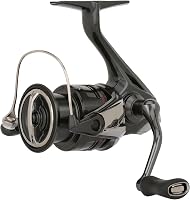
Ultralight reel for wading the shallow flats of Mosquito Lagoon and Banana River. Smooth drag for fighting reds in clear water.
Long-distance sight-fishing demands a lightweight reel. Vanford excels.
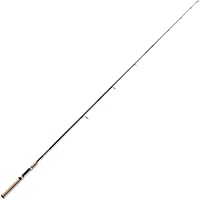
Sensitive rod perfect for detecting strikes on the Indian River Lagoon and Mosquito Lagoon flats. Long enough for reaching distant tailing redfish.
Sight-fishing redfish requires sensitivity and reach. This rod delivers both.
Year-round, but winter (December–February) brings trophy-sized fish to the Indian River. First light on incoming tide. Cold fronts push big fish into slightly deeper structure, but they still feed actively on warm days.
Slot limit 15"–19" (keep 1 over 19"). Five fish per day in Atlantic. Verify current FWC rules.
Light to medium spinning. 10–15lb braid. 20lb fluorocarbon leader. Seatrout have soft mouths — use a smooth drag and never force the fight. Long casts on calm morning flats are key.

The Indian River trophy trout lure. Slow-sinking twitch bait that has been catching big fish for decades. Work it twitch-twitch-pause over deep grass edges.
Winter trophy trout in the Indian River demand the MirrOdine. This is the one.
Lightweight and sensitive for detecting the subtle seatrout bite. Essential for working the Indian River deep grass flats.
Trophy trout demand sensitivity. The Triumph delivers.
Ultra-light reel with silky smooth drag. Lightweight enough for all-day wading the Indian River flats.
Light gear makes finesse fishing infinitely more enjoyable — and more productive.
Spring through fall peak. Sebastian Inlet is a migration corridor — incoming snook from offshore stack at the inlet mouth in April–May. First light on an outgoing tide concentrates snook in the inlet current.
Slot limit 28"–33" (Atlantic). Seasonal closures Dec 1–Feb 28 and Jun 1–Aug 31. One fish per day when open. Verify current FWC rules.
7' medium-heavy spinning. 20–30lb braid. 30–40lb fluorocarbon leader. Go heavier when fishing Sebastian Inlet rocks and jetties. Snook have sharp gill plates — heavy leader is essential.

Medium-heavy spinning combo built for snook at inlets and mangrove structure. Handles 20–30lb braid with ease.
Battle-tested on snook and inlet structure — a workhorse combo.
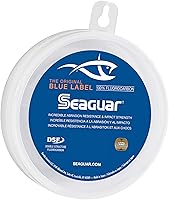
Gold standard fluorocarbon leader. Near-invisible in clear Indian River water and abrasion-resistant around Sebastian Inlet rocks.
Snook at Sebastian Inlet will cut every weakness in your leader. Blue Label holds.

Walk-the-dog topwater that drives snook insane at dawn on Indian River mangrove edges. The rattle action is irresistible on calm mornings.
Topwater snook strikes on a calm Indian River morning never get old.
Spring (April–May) brings tarpon through Sebastian Inlet. Summer sees fish moving into mangrove creeks and the Indian River. Evening incoming tides at Sebastian Inlet are prime — tarpon stack at the inlet mouth.
Tarpon catch-and-release only. A special permit is required to harvest. Verify current FWC rules before fishing.
Heavy spinning or conventional. 30–50lb braid. 80–100lb fluorocarbon leader (or wire). Tarpon are strong fish with hard mouths — set the hook hard multiple times. Expect a tarpon fight to last 30+ minutes.
High-capacity reel built for big fish. The drag power needed to fight Sebastian Inlet tarpon. Smooth operation under load.
Tarpon are strong — you need a reel that can take a pounding.
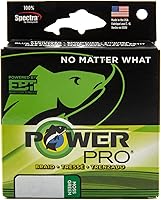
High-visibility braided line that doesn't stretch. Essential for feeling tarpon takes at distance and setting the hook multiple times.
Tarpon have hard mouths and fight hard — strong, low-stretch line is critical.

Premium mono leader for tarpon. Heavy enough to withstand head shakes and gill flaring without breaking.
Tarpon will cut lighter leader. Go heavy.
Two-speed reel designed for big fish. High gear ratio for cranking line when tarpon runs slow, low gear for maximum drag when they tear line.
Tarpon fights are brutal — a two-speed reel saves your arms.
Fall and winter bring large migratory flounder into the Indian River and Sebastian Inlet. Incoming tide on deeper channels is prime. Flounder are ambush predators — work structure edges and sandy drop-offs.
Minimum 12" total length (Atlantic waters). 10 fish per day. Verify current FWC rules.
Medium spinning. 15–20lb braid. 20–25lb fluorocarbon leader. 1/4–1/2oz jig head depending on depth. Work structure edges with a hopping presentation — flounder hit hard.
Lightweight, smooth spinning reel for all-day jigging deep Indian River channels. Quiet operation for drop-shot flounder presentations.
Jigging flounder channels requires finesse — Sienna excels.
Shorter rod for precise jig control in deep channels. Sensitive enough to feel flounder taps on the bottom near Sebastian Inlet.
Flounder fishing in deep channels demands precision and sensitivity.
Sebastian Inlet is the key to Space Coast fishing. Outgoing tides funnel snook and tarpon through the inlet mouth. Indian River and Mosquito Lagoon sight-fishing is best on low tide with gin-clear water. Incoming tides push baitfish onto shallow flats, concentrating redfish and seatrout.
Redfish and seatrout move onto shallow flats. First 2 hours are prime. Sight-fishing Mosquito Lagoon at low tide turning incoming is legendary.
Snook push into mangroves. Work tree lines and marker poles on Indian River and Banana River.
Sebastian Inlet is a funnel. Snook and tarpon stack here. Current concentrates baitfish at the inlet mouth.
Sight-fish tailing reds on Mosquito Lagoon flats. Gin-clear water makes this the sight-fishing capital of the East Coast.
Tarpon flood Sebastian Inlet and Indian River. Snook spawn run at the inlets. Seatrout begin appearing on deep grass flats.
Mosquito Lagoon sight-fishing is phenomenal. Tarpon move into mangrove creeks. Backcountry Banana River (no-motor) is a kayak paradise.
Flounder migration begins. Trophy trout appear on Indian River deep flats. Redfish school on Mosquito Lagoon flats.
Trophy seatrout dominate Indian River. Flounder peak at Sebastian Inlet. Cold snaps push big fish into deeper structure.
Check live tides, weather, and solunar forecasts for specific Space Coast fishing spots.
Fishing regulations change. Always verify current rules with the Florida Fish and Wildlife Conservation Commission (FWC) before harvest. FishSonar.com is not responsible for regulatory changes after publication.